What safety measures should be taken when using a Ribbon Mixer?
As a supplier of ribbon mixers, I’ve witnessed firsthand the importance of safety in operating these powerful machines. Ribbon mixers are widely used in various industries, including food, chemical, and pharmaceutical, for their efficient mixing capabilities. However, like any industrial equipment, they come with potential risks if not used correctly. In this blog post, I’ll share some essential safety measures that should be taken when using a ribbon mixer to ensure the well – being of operators and the smooth running of your production process. Ribbon Mixer
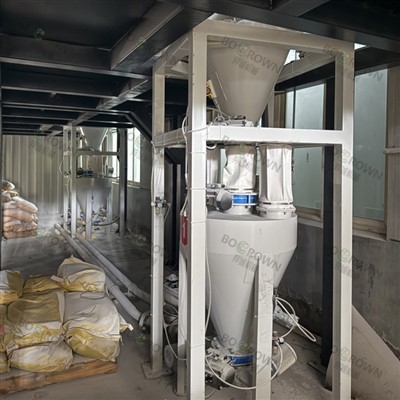
Before Operation: Inspection and Preparation
Equipment Inspection
Before you start the ribbon mixer, a thorough inspection is a must. Check the physical condition of the mixer. Look for any signs of wear and tear on the ribbons, such as cracks or excessive corrosion. These issues can not only affect the mixing quality but also pose a safety hazard if the damaged part breaks off during operation.
Inspect the motor and electrical components. Ensure that all wires are properly connected and there are no exposed conductors. Loose or damaged wires can lead to electrical shocks or even fires. Check the control panel for any abnormal readings or malfunctioning buttons. In addition, examine the belt and pulley system, if applicable. Ensure that the belts are in good condition, properly tensioned, and free from any visible damage.
Environment Inspection
The working environment also plays a crucial role in safety. Make sure the area around the ribbon mixer is clean and free from debris. Any foreign objects on the floor can cause slips, trips, or falls. The mixer should be placed on a stable and level surface to prevent it from tipping over during operation.
Moreover, ensure adequate ventilation in the working area. When mixing certain materials, especially in the chemical or pharmaceutical industries, harmful fumes may be released. Proper ventilation can help disperse these fumes and prevent operators from inhaling them.
Operator Training
All operators who will be using the ribbon mixer should receive proper training. They should be familiar with the machine’s operating principles, control panel functions, and emergency stop procedures. Training should also cover safety regulations and guidelines specific to the ribbon mixer. For example, operators should know how to correctly load and unload materials, how to adjust the mixing speed, and how to perform basic maintenance tasks. Only trained and qualified operators should be allowed to operate the machine.
During Operation: Safe Practices
Loading and Unloading
When loading materials into the ribbon mixer, be careful not to overload it. Overloading can cause excessive stress on the ribbons and the motor, leading to premature wear and potential breakdowns. Follow the manufacturer’s recommended loading capacity.
Use appropriate tools for loading. For example, if you are handling heavy bags of materials, use a forklift or a hoist instead of trying to lift them manually. This can prevent back injuries and other physical strains.
During the unloading process, ensure that the discharge valve is fully open and the material is flowing out smoothly. Do not try to force the material out if it is stuck. Instead, stop the mixer and use the appropriate methods to clear the blockage, following the safety procedures.
Monitoring the Mixing Process
While the ribbon mixer is in operation, operators should constantly monitor its performance. Listen for any unusual noises, such as grinding or rattling sounds, which may indicate a mechanical problem. Check the temperature of the motor and other components regularly. Overheating can be a sign of a malfunction and may lead to a fire.
Keep an eye on the mixing time and speed. Do not deviate from the set parameters without proper authorization. If you need to make any adjustments, do it gradually and carefully.
Avoiding Unauthorized Access
During operation, the area around the ribbon mixer should be restricted to authorized personnel only. Install barriers or warning signs to prevent unauthorized entry. This can reduce the risk of accidental contact with moving parts, which can cause serious injuries.
After Operation: Clean – Up and Maintenance
Cleaning the Mixer
After each use, the ribbon mixer should be cleaned thoroughly. First, turn off the power and let the machine cool down. Then, remove any remaining materials from the mixing chamber. Use a brush or a vacuum cleaner to clean the ribbons and other internal parts.
For more stubborn residues, use a suitable cleaning agent. However, make sure the cleaning agent is compatible with the materials used in the mixer to avoid damage. After cleaning, rinse the mixer with clean water and dry it completely to prevent corrosion.
Maintenance and Lubrication
Regular maintenance is essential to keep the ribbon mixer in good working condition. Follow the manufacturer’s maintenance schedule for tasks such as checking the alignment of the ribbons, tightening loose bolts, and replacing worn – out parts.
Lubrication is also a critical part of maintenance. Apply the appropriate lubricant to the moving parts, such as bearings and gears, at the recommended intervals. This can reduce friction, wear, and noise, and extend the lifespan of the machine.
Documentation
Keep detailed records of the ribbon mixer’s operation, maintenance, and cleaning. This documentation can help you track the machine’s performance over time, identify potential problems early, and ensure compliance with safety regulations.
Emergency Preparedness
Emergency Stop Button
All ribbon mixers should be equipped with a clearly marked emergency stop button. Operators should know the location of this button and be trained to use it in case of an emergency, such as a jammed ribbon or a sudden malfunction.
First – Aid Kit
Have a well – stocked first – aid kit available in the working area. In case of minor injuries, operators can receive immediate first – aid treatment. Make sure the first – aid kit is easily accessible and regularly checked to ensure that all supplies are in good condition and within their expiration dates.
Fire Extinguishers
Depending on the nature of the materials being mixed, there may be a fire risk. Install appropriate fire extinguishers in the vicinity of the ribbon mixer. Train operators on how to use fire extinguishers correctly, and conduct regular fire drills to ensure their readiness in case of a fire.
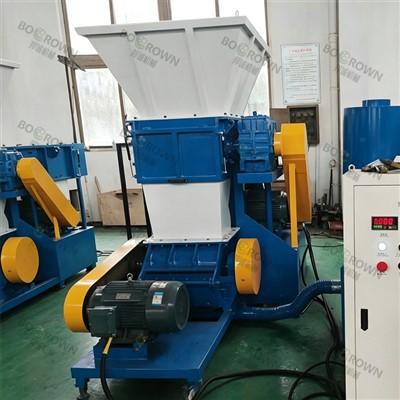
In conclusion, safety is of utmost importance when using a ribbon mixer. By following these safety measures, you can minimize the risks associated with operating the machine, protect your operators, and ensure the efficient and reliable performance of your ribbon mixer.
Crushing and Grinding Integrated Machine If you are in the market for a high – quality ribbon mixer or have any questions about safety measures and operation, I encourage you to reach out to us for a consultation. We have a team of experts who can provide you with detailed information and help you choose the right ribbon mixer for your specific needs.
References
- Industrial Mixing Equipment Safety Guidelines from the National Institute for Occupational Safety and Health.
- Manufacturer’s Manuals for Ribbon Mixers.
- Industry Best Practices in Chemical and Food Processing Safety.
ZJG BC Machinery Co., Ltd.
As one of the most professional ribbon mixer manufacturers and suppliers in China, we’re featured by quality products and good price. Please rest assured to buy cost-efficient ribbon mixer for sale here from our factory. Contact us for custom service and OEM service.
Address: No.8 Lexi Road, Leyu Town, Zhangjiagang City
E-mail: sales@bcextruder.com
WebSite: https://www.bcextruder.com/
