Hey there, lift enthusiasts! I’m a supplier of used scissor lifts, and I know that these machines are real workhorses. But like any piece of equipment, they need some TLC from time to time. One common issue that can crop up is a problem with the hydraulic pump. In this blog post, I’m gonna walk you through how to replace the hydraulic pump of a used scissor lift. Used Scissor Lift

Why Replace the Hydraulic Pump?
First off, you might be wondering why you’d even need to replace the hydraulic pump. Well, there are a few reasons. If you notice that your scissor lift is lifting slower than usual, it could be a sign that the pump isn’t working as efficiently as it should. Maybe there’s a strange noise coming from the pump area, like a high – pitched whine or a grinding sound. That’s usually a red flag that something’s not right. And if the lift is leaking hydraulic fluid around the pump, that’s definitely a problem that needs to be addressed.
Tools You’ll Need
Before you start the replacement process, you gotta gather the right tools. Here’s a list of what you’ll need:
- A set of wrenches: You’ll need different sizes to remove the bolts holding the pump in place. A combination of open – end and socket wrenches should do the job.
- A hydraulic fluid drain pan: This is essential for draining the old hydraulic fluid without making a huge mess.
- A funnel: You’ll use it when you’re refilling the system with new hydraulic fluid.
- A clean rag: To wipe up any spills and keep the work area clean.
- A new hydraulic pump: Make sure it’s the right model for your scissor lift. You can usually find this information in the lift’s manual or by contacting the manufacturer.
Step 1: Safety First
Safety is always the top priority when working on any machinery. First, turn off the scissor lift and remove the key. This prevents any accidental startup while you’re working. Next, lower the lift all the way down to its lowest position. This relieves the pressure in the hydraulic system and makes it safer to work on. And don’t forget to wear safety gear, like gloves and safety glasses. The hydraulic fluid can be messy and potentially harmful if it gets in your eyes or on your skin.
Step 2: Drain the Hydraulic Fluid
Locate the hydraulic fluid reservoir on your scissor lift. It’s usually a big tank with a cap on top. Place the drain pan underneath the reservoir. Then, find the drain plug on the reservoir. Use the appropriate wrench to loosen and remove the plug. Let the old hydraulic fluid drain completely into the pan. This might take a few minutes, so be patient. Once the fluid has drained, put the drain plug back in and tighten it up.
Step 3: Remove the Old Hydraulic Pump
Now, it’s time to remove the old pump. First, locate the pump. It’s usually near the bottom of the scissor lift, attached to the hydraulic system. You’ll see a bunch of hoses and bolts connecting the pump to the system. Use your wrenches to carefully remove the bolts holding the pump in place. Be careful not to lose any of the bolts. Then, start disconnecting the hoses from the pump. There might be some residual hydraulic fluid in the hoses, so have your clean rag ready to wipe it up. Label the hoses so you know where they go when you install the new pump. This will save you a lot of headache later. Once all the bolts and hoses are disconnected, you should be able to lift the old pump out of the scissor lift.
Step 4: Install the New Hydraulic Pump
Take your new hydraulic pump and position it where the old one was. Make sure it’s lined up correctly. Then, start re – attaching the hoses to the pump. Double – check that you’re connecting the hoses to the right ports based on your labels. Once the hoses are connected, use your wrenches to tighten them up. Just be careful not to overtighten, as this can damage the hoses or the pump. Next, put the bolts back in and tighten them to secure the pump in place.
Step 5: Refill the Hydraulic Fluid
Use your funnel to pour new hydraulic fluid into the reservoir. Check the lift’s manual to see how much fluid it needs. You don’t want to overfill or underfill the system. As you’re filling, keep an eye on the fluid level indicator on the reservoir. Once the fluid reaches the correct level, stop filling and put the cap back on the reservoir.
Step 6: Test the Scissor Lift
Now that you’ve replaced the pump and refilled the fluid, it’s time to test the scissor lift. Put the key in and turn on the lift. Slowly operate the lift up and down a few times. Listen for any strange noises and check for any leaks around the pump or the hoses. If everything seems to be working fine, then you’ve successfully replaced the hydraulic pump!
Tips and Tricks
- When you’re draining the hydraulic fluid, make sure to dispose of it properly. You can take it to a local recycling center or an auto parts store that accepts used hydraulic fluid.
- If you’re having trouble removing a bolt or a hose, try using a little bit of penetrating oil. Let it sit for a few minutes, and then try again.
- Before you start the replacement process, take some pictures of the old pump and the hoses. This can be really helpful if you forget how something was connected.
Conclusion
Replacing the hydraulic pump of a used scissor lift might seem like a daunting task, but with the right tools and a little know – how, you can do it yourself. Remember, safety comes first, and taking your time to do the job right will save you a lot of headaches in the long run.
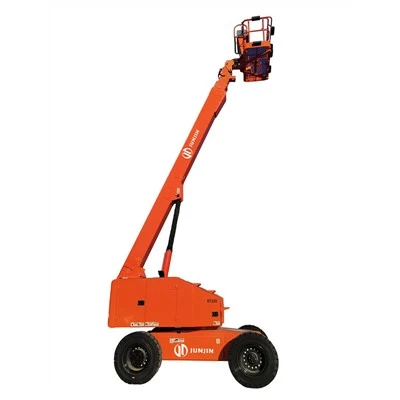
Telescopic Boom Lift If you’re in the market for a used scissor lift or need any parts or maintenance advice, don’t hesitate to reach out! Just contact us, and we’ll be happy to help you with all your scissor lift needs.
References
- Scissor Lift Maintenance Manuals
- Industry Forums on Scissor Lift Repairs
- Manufacturing Bulletins on Hydraulic Pump Replacements
Yantai Quanrui International Trading Co., Ltd.
As one of the most reliable used scissor lift manufacturers and suppliers in China, we’re featured by high quality customized products. Please rest assured to buy discount used scissor lift made in China here from our factory. Contact us for pricelist and quotation.
Address: No. 278, Sanya Road, Gaotuan Town, Fushan District, Yantai City, Shandong Province, China
E-mail: Info@quanjin1588.com
WebSite: https://www.qr1588.com/
