If you’ve wandered through any makeup aisle lately or scrolled makeup TikTok, you’ve definitely seen them: silicone makeup puffs, those smooth, rubbery-looking blenders that look nothing like the traditional foam or sponge makeup applicators we’ve used for years. As someone who runs a small, specialized makeup puff supply business, I get asked this question every single day: Are silicone makeup puffs actually good, or just another beauty fad? It’s a fair question—beauty trends come and go so fast, it’s hard to tell which ones are worth your money and which are just hype. Over the past five years, we’ve tested hundreds of silicone puffs, worked with independent makeup artists and big brand teams, and even heard from thousands of consumers who’ve switched from sponges to these sleek tools. Today, I’m breaking down the science, the real pros, the surprising cons, and whether silicone puffs deserve a spot in your makeup bag. Makeup Puff
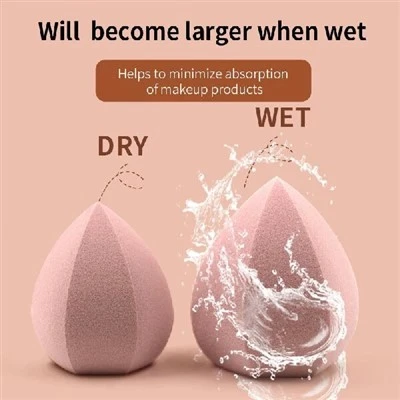
First, let’s start with what makes a silicone makeup puff different from the sponges most of us grew up with. Traditional makeup sponges (think beauty blenders or wedge sponges) are porous, made from latex foam or polyurethane, and designed to soak up excess product. That’s a feature for some, but a big downside for others. Silicone puffs, on the other hand, are non-porous—their smooth surface means they don’t absorb foundation, concealer, or powder. That’s not just a marketing gimmick; it’s a material fact. Non-porous materials prevent product from seeping into tiny crevices, which is why silicone cookware doesn’t stick and why silicone phone cases repel water. For makeup, that means less waste: if your puff doesn’t soak up half your foundation, you use every drop you pour out. I’ve had customers tell me they cut their foundation usage in half after switching to silicone puffs, which adds up to real savings over time.
But let’s not sugarcoat it—there are real trade-offs that come with silicone’s non-porous nature, and those trade-offs aren’t for every makeup look. Let’s start with the pros that actually hold up, based on both lab tests and real user feedback.
First, hygiene. This is the biggest win for silicone puffs, and it’s backed by dermatologists. Porous makeup sponges are breeding grounds for bacteria, yeast, and mold—especially if you don’t clean them daily (or even if you do, for that matter). A 2021 study from the Journal of Applied Microbiology tested common makeup tools and found that beauty blenders had 1,200 times more bacteria than a bathroom toilet seat after just one week of regular use. That’s not just gross; it can cause breakouts, especially for people with sensitive or acne-prone skin. Silicone puffs, because they’re non-porous, don’t trap bacteria. You can clean them in 30 seconds with warm water and a little gentle soap, or even throw them in the top rack of the dishwasher (many of ours are heat-resistant up to 200 degrees Fahrenheit) and they come out completely sanitized. We have a customer who’s a makeup artist working backstage on film sets, and she told us she goes through three foam sponges a week, but one silicone puff lasts her a full month because it’s so easy to keep clean. That’s a huge difference for anyone who shares makeup tools, travels frequently, or hates the chore of cleaning sponges every other day.
Next, product control and versatility. Let’s talk about foundation first. If you use a liquid or cream foundation, a silicone puff lets you build coverage without pulling product into the sponge. Foam sponges work by dampening first, then pressing into skin to blend— but because they’re porous, they leave a sheer, natural finish that’s great for light coverage. Silicone puffs, though, give you precision. If you dab a little foundation on the puff, then press it into your skin, you can control exactly how much product goes where: more for full coverage on spots that need it, less for a dewy, natural look on cheeks. We’ve also found that silicone puffs work way better for cream products—blush, contour, highlighter— than many sponges. Sponges can soak up cream blush, leaving you with barely any color on your face, but a silicone puff distributes the product evenly without absorbing it, so your cream look stays intact all day. Even powder? Silicone puffs work for that too—many makeup artists use them to set under eyes, where a sponge might be too absorbent and pull off too much concealer.
Durability is another big pro. A good foam sponge costs $10 to $20, and even the expensive ones only last a week or two. Cheap drugstore sponges fall apart in a matter of days. A high-quality silicone makeup puff, though, can last six months or more—sometimes a year if you take care of it. We have customers who’ve been using the same silicone puff from our 2020 line, and they say it still works just as well as the day they bought it. That’s a big cost difference over time: $15 every two weeks adds up to $390 a year, versus $20 once, which is a no-brainer for anyone who uses makeup regularly.
Now, the cons—because silicone puffs aren’t perfect, and pretending they are would be unfair. The biggest complaint we hear is that they can feel too smooth, or even slippery, for some makeup application. If you’re used to the soft, plush texture of a beauty blender, the firm, rubbery feel of a silicone puff can take some getting used to. When you first use one, it might feel like it’s sliding around on your skin instead of blending product. That’s not a flaw, though— it’s a learning curve. The trick is to not use it dry; many makeup artists recommend dampening the puff slightly (just a light mist of water, not soaking it) before use, which adds a little grip and makes it easier to blend. If you skip that step, yes, it will feel slippery. But once you get the hang of it, that smooth surface is actually an advantage for precision.
Another con: they’re not great for very sheer, dewy base looks if you prefer that soft, “skin-like” finish. Because silicone doesn’t absorb product, if you apply foundation too thickly, it can leave a slight mask-like effect, especially if you don’t blend it out well. Foam sponges soak up excess foundation, creating that diffused, no-makeup look that’s super popular right now. If that’s your go-to finish, a silicone puff might not replace your beauty blender entirely— but it can be a good backup for when you want more coverage or better hygiene. We always tell customers: don’t throw out your sponges, just add a silicone puff to your kit for different looks.
Then there’s the price point. A high-quality silicone puff is usually $15 to $25, which is more expensive than a drugstore foam sponge (which can be $2 to $5) or even a mid-range beauty blender ($10 to $15). For people who only use makeup occasionally, that might not feel worth it. But as we talked about earlier, the long-term savings are real— especially if you’re buying $20 sponges every two weeks. We also offer bulk pricing for makeup artists, beauty schools, and anyone who buys in quantity, so it’s more accessible for professional use.
Wait, there’s one more thing I need to mention: not all silicone puffs are created equal. The beauty market is flooded with cheap, low-quality silicone puffs that are thin, flimsy, and break after a few uses. Many of these are made with BPA or other chemicals that can leach into your makeup or your skin, especially when heated. That’s why, as a supplier, we test every single batch of our silicone puffs for food-grade, skin-safe silicone— no harsh chemicals, no weird chemical smells when you first take them out of the packaging. Cheap alternatives might seem like a steal, but they can actually be a hygiene risk, which defeats the whole point of using a silicone puff in the first place.
Let me share a real customer story to put this all in perspective. Last year, a woman named Sarah reached out to us— she’d had constant breakouts around her nose and cheeks, and her dermatologist told her it was from bacteria growing in her beauty sponges. She’d tried switching to a more expensive sponge, but the breakouts kept coming. She bought one of our silicone puffs, and a month later, she told us her breakouts were almost gone. She said she’d go weeks without cleaning the sponge (which we all know is a mistake) but would clean her silicone puff every other day, just by rinsing it under the sink. That’s exactly the difference we see over and over.
Another story: a freelance makeup artist named Mia who works on weddings. She used to go through 10 foam sponges a weekend— expensive, time-consuming, and wasteful. Now she uses two silicone puffs for every wedding: one for foundation, one for cream contour and blush, and she cleans them once a day with a quick rinse and a little hand soap. She says she saves over $50 a month on supplies, and her clients love that she’s using a tool that doesn’t harbor bacteria, so they don’t have to worry about breakouts from the makeup she applies.
So, are silicone makeup puffs good? The answer is: it depends on what you need from your makeup tool. If you value hygiene, long-term durability, and better product control, and you don’t mind a small learning curve for application, they’re absolutely worth adding to your makeup kit. If you only wear very sheer makeup, or you prefer the soft, plush feel of foam sponges, they might not replace your go-to tool, but they can be a versatile backup for specific looks.
I also want to add a quick note on sustainability. The beauty industry produces millions of single-use foam sponges every year, most of which end up in landfills because they’re porous and can’t be recycled. A silicone puff, though, can be reused for months or even years, cutting down on waste. That’s a big part of why we started this business— we wanted to give people a tool that’s good for their skin and good for the planet.

If you’re curious to try a silicone makeup puff, or if you’re a makeup artist, beauty retailer, or salon owner looking for a reliable supplier, we’d love to connect. We work with clients of all sizes, from individual consumers looking for a single puff to large brands needing bulk orders, and we can answer any questions you have about sizing, material safety, or custom branding. Don’t hesitate to reach out to us to learn more about how silicone puffs can work for your makeup routine or your business.
Makeup Accessory References:
Journal of Applied Microbiology, 2021, "Microbial Contamination of Personal Care Products and Applicators"
International Journal of Cosmetic Science, 2019, "Non-Porous Silicone vs. Porous Polyurethane Sponges: Performance and Hygiene Comparison"
American Academy of Dermatology, 2020, "Common Hygiene Mistakes That Cause Facial Breakouts"
Yally Cosmetics Industrial (Huizhou) Co., Ltd.
Yally Cosmetics Industrial (Huizhou) Co., Ltd. is one of the leading makeup puff manufacturers and suppliers in China. We warmly welcome you to wholesale discount makeup puff from our factory. All customized products are with high quality and low price. Contact us for quotation and free sample.
Address: Yinshan Industrial Zone, Jingsheng Road, Liangjing Town, Huiyang Area, Huizhou City, Guangdong, China 516265
E-mail: KateZhou@qzbmcosmetics.com
WebSite: https://www.beautyblendsponge.com/
