If you’re running a small construction site, landscaping crew, or agricultural operation, a mini dumper is one of the most workhorse machines in your fleet. These compact, versatile units move heavy loads of soil, gravel, debris, or feed in tight spaces where full-size dumpers can’t fit—but their steering systems, while rugged, are still vulnerable to wear if you skip consistent maintenance. As a mini dumper supplier, I’ve seen firsthand how a neglected steering system can turn a day of productive work into costly downtime, so I’m sharing the practical, science-backed steps we walk new and repeat customers through to keep their steering running smooth for years. Mini Dumper
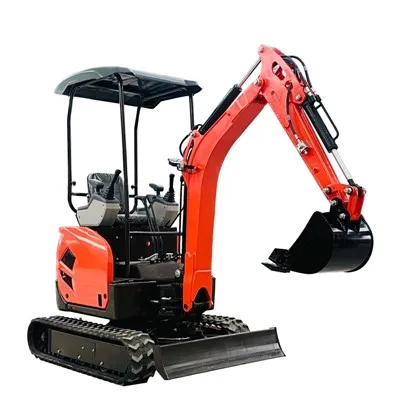
First, let’s get clear on why steering maintenance isn’t just a “fix-it-later” task for mini dumpers. Unlike passenger vehicles, mini dumpers operate in harsh, dusty, muddy, and uneven terrain—conditions that put extra stress on every part of the steering system: the tie rods, steering knuckles, hydraulic hoses (for hydrostatic steering models, which are the most common in modern mini dumpers), ball joints, and the steering gearbox. Even small issues, like a tiny leak in a hydraulic line or a grease fitting blocked with caked dirt, can escalate. A loose tie rod end, for example, doesn’t just make steering feel “off”—it can cause uneven tire wear, reduce load capacity, and even lead to a loss of control when you’re hauling a full load on a slope. We once had a customer come to us with a broken mini dumper that had been used for moving mulch on a residential landscaping job; he’d ignored a slight steering drift for two weeks, and the tie rod end seized mid-operation, stranding his crew for three days while he waited for a replacement part. That’s an avoidable headache, and it all starts with a consistent maintenance routine.
Let’s break down the maintenance tasks into daily checks, weekly deep dives, and quarterly (or seasonal) overhauls—timelines we’ve standardized for our mini dumper models, and that align with manufacturer specifications to keep warranties valid.
Daily checks are the non-negotiable, 5-minute rituals that take less time than prepping your first load. The first thing to inspect is steering responsiveness: when you turn the steering wheel, does the dumper react immediately, or is there a delay (called “play”) before it turns? A small amount of play (less than 10 degrees of wheel turn without tire movement) is normal, but anything more means you need to flag that for a closer look the same day. Next, walk around the unit and check for visible leaks—if you see hydraulic fluid pooling near the steering hoses or gearbox, that’s a sign of a worn seal or cracked hose. For operators working in muddy or rainy conditions, even a small leak can let dirt get into the hydraulic system, causing more damage. Finally, test the steering lock: turn the wheel all the way left and right, and make sure it doesn’t catch or bind mid-turn. Catching a sticking spot daily is way easier than fixing a seized steering system mid-shift.
Weekly checks are a bit more hands-on, and they start with lubrication—this is the single most effective way to reduce wear on steering components, according to mechanical engineering data from the National Construction Equipment Association (NCEA). Mini dumpers have multiple grease fittings on the steering system: at the tie rod ends, ball joints, and the steering knuckles. We recommend using a lithium-based grease with a NLGI (National Lubricating Grease Institute) grade of 2 for these fittings; this grade is thick enough to withstand heavy loads and wide temperature ranges, which is critical for machines that work outdoors. A common mistake we see is over-greasing, which can push old, contaminated grease into the system and clog small ports. To avoid that, pump the grease gun until you see a small amount of fresh grease come out of the fitting’s seal, then stop. Also, before you grease, always wipe the grease fitting with a clean cloth to remove dirt—pushing contaminated grease into the fitting will do more harm than good. For hydrostatic steering systems, you’ll also want to check the hydraulic fluid level weekly. Low fluid can cause the steering to feel spongy or unresponsive. Use the dipstick on the hydraulic reservoir (located near the steering column, per your mini dumper’s manual) and top it off with the manufacturer-recommended fluid—never mix different types of hydraulic fluid, as this can degrade seals. Finally, during weekly checks, inspect the steering hoses for cracks, abrasions, or swelling. These hoses are routed along the frame, and they can rub against other parts of the machine over time, leading to leaks or bursts. If a hose has a small abrasion, mark it for replacement during your next maintenance session; a burst hose on a job site can shut down operations entirely.
Quarterly (or after every 50 hours of operation, whichever comes first) checks are more in-depth, and they include tasks that require a bit more access, like loosening the lock nuts on tie rod ends to inspect for wear. First, inspect all steering joints for play—grab the tie rod with a pair of pliers and try to move it back and forth; any movement beyond a tiny, smooth glide means the tie rod end is worn and needs to be replaced. Worn tie rod ends are a top cause of steering issues in mini dumpers, since they’re constantly under stress from turning and uneven terrain. Next, inspect the ball joints: these connect the steering knuckle to the control arm, and they’re prone to wear from dust and dirt. Check for any cracks in the rubber boot that covers the ball joint—if the boot is torn, dirt has already gotten inside, so you’ll need to clean the joint and regrease it, or replace the joint if the wear is severe. Then, test the steering gearbox: this is the component that converts the rotational movement of the steering wheel into the linear movement that turns the wheels. For manual steering mini dumpers, check the gearbox’s fluid level; for hydrostatic models, check the gearbox for leaks and make sure the mounting bolts are tight—loose bolts can cause the gearbox to shift, leading to misaligned steering. Finally, do a wheel alignment check. Even small misalignment (just a few degrees) can cause uneven tire wear and make the steering pull to one side, forcing your machine to work harder to stay on course. For mini dumpers, alignment can be done at most heavy equipment shops, or if you’re handy, you can use a simple string method: measure the distance between the front wheels at the front and back, and adjust the tie rods until both measurements are equal. We recommend doing this alignment check every three months, especially if your mini dumper is used on uneven construction sites.
Beyond these scheduled tasks, there are a few best practices to extend the life of your mini dumper’s steering system. First, avoid rough steering habits—don’t jerk the steering wheel, especially when the machine is stationary, as this puts extra stress on tie rods and ball joints. When you’re maneuvering in tight spaces, try to turn the wheel gradually instead of forcing it. Second, keep the mini dumper clean, especially around the steering components. After working in muddy or dusty conditions, use a low-pressure (not high-pressure, which can damage seals) hose to wash the frame and steering parts—caked mud and dirt can block grease fittings, wear down rubber boots, and cause premature corrosion. Finally, follow your mini dumper’s warranty guidelines—we offer a 12-month warranty on all our models, and maintaining the steering system according to our recommendations keeps that warranty valid. If you’re unsure about any part of the maintenance process, our team of service technicians is always available to walk you through it, or we offer on-site maintenance checks for customers with a fleet of mini dumpers.
It’s important to note that every mini dumper model is slightly different—whether you have a petrol-powered model for residential jobs, a diesel model for heavy construction, or a compact electric mini dumper for indoor demolition, always refer to your specific manual for component locations and maintenance timelines. For example, electric mini dumpers have a different steering gear setup, with fewer hydraulic parts, so their maintenance focuses more on the motor and control wires, but the daily responsiveness check and grease routine still apply.
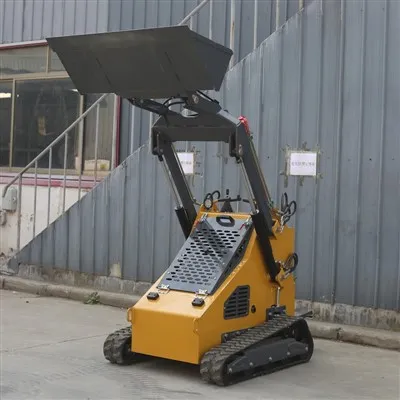
At the end of the day, maintaining your mini dumper’s steering system is an investment, not an expense. A well-maintained steering system reduces downtime, extends the life of your machine, and keeps your crew safe—steering failure is a leading cause of construction site accidents, so keeping your system in top shape isn’t just about keeping your dumper running, it’s about protecting your team. If you’re looking for a new mini dumper that’s built with durable steering components (we engineer all our models with oversized tie rods and sealed ball joints to handle tough conditions) or you need advice on maintaining the one you already own, don’t hesitate to reach out to discuss your needs and options.
Wheel Loader References
National Construction Equipment Association. (2022). Maintenance Guidelines for Compact Construction Equipment.
Mini Dumper Manufacturers Association. (2023). Steering System Durability Standards for Mini Off-Highway Equipment.
International Journal of Construction Engineering and Management. (2021). Wear Analysis of Steering Components in Compact Dumpers Operating in Agricultural Terrain.
Jining Sunsail Machinery Co., Ltd.
With abundant experience, we are one of the most professional mini dumper manufacturers and suppliers in China. We warmly welcome you to buy high-grade mini dumper made in China here from our factory. For price consultation, contact us.
Address: Room 410, Digital Industry Building, Rencheng District, Jining City, Shandong Province,China
E-mail: Sunsail_machinery@163.com
WebSite: https://www.sunsailmachine.com/
