When I first started as a mono layer film blowing machine supplier, the question I heard most often was, “Can your equipment actually make multi-color films?” It’s a fair question—for decades, film production was split between mono layer lines that did one color and specialized multi-layer, multi-color lines that cost three times as much. Over the past 12 years in this industry, I’ve watched that line blur, and today, I’m here to set the record straight: yes, a well-configured mono layer film blowing machine can produce high-quality multi-color films—you just need to know how to set it up. Mono Layer Film Blowing Machine
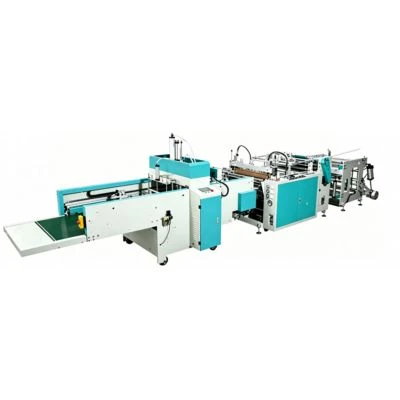
Let’s start with the basics, because too many people still think “mono layer” means “one color, no exceptions.” A mono layer film blowing machine extrudes a single polymer blend through a die, which is different from multi-layer machines that stack different polymers for strength or barrier properties. But color is separate from layer structure. For years, operators used mono layer lines for single-color films, like clear LDPE sheeting for packaging or white agricultural mulch. But that’s not the only possibility.
The key here is the “color dosing system” installed on the machine’s extruder. A standard mono layer line has one hopper for raw resin, but adding a side feeder (a small, precision-controlled unit) lets you introduce color masterbatch at multiple points along the extrusion process. Wait—multiple points? Let me explain: if you add masterbatch at two separate feed zones, you don’t just get two solid colors. You can create gradients, stripes, or even scattered flecks that look far more professional than the messy, uneven swirls some people associate with early attempts. I worked with a snack packaging manufacturer last year who used a basic mono layer line with two side feeders to produce three-color “marble-patterned” shrink wrap—they cut their production costs by 40% compared to their old process that used two separate lines.
Of course, it’s not just about adding feeders. You need to match the masterbatch to your resin, and calibrate the machine’s temperature and screw speed to avoid uneven color distribution. If you crank the extruder too fast, the masterbatch won’t mix evenly, leaving streaks. If the temperature is too low, the masterbatch won’t melt properly, causing spots. Our team trains every customer on this, but I’ve seen too many operators skip the calibration step because they think “it’s just color.” That’s a mistake. When done right, a mono layer line can produce multi-color films with color uniformity that meets food-grade standards—something most people thought only multi-layer lines could do.
Another common misconception: mono layer films are only for simple applications, but multi-color mono layer films are used everywhere now. Think about the plastic bags for grocery stores with small green logos on clear film, or the agricultural films with black stripes to suppress weeds on a white base, or even the decorative films for window coverings with subtle color gradients. I supplied a mono layer line to a small gift bag producer two years ago, and within six months, they shifted from buying pre-printed multi-color film to producing it in-house on their machine. Their overhead dropped so much, they were able to hire three more people. That’s the real impact here—mono layer lines aren’t just for single-color anymore; they’re a flexible solution for small to mid-sized manufacturers who don’t want to invest in a multi-layer machine.
Wait, let’s address the limitations, because no machine is perfect. A mono layer line can’t produce the same high-barrier multi-color films that you get from a co-extrusion line—those require separate layers of EVOH or other polymers to block moisture or oxygen. And if you need four or more distinct colors, a mono layer line might not be the most cost-effective option, because you’d need multiple side feeders and more complex mixing controls. But for two or three colors, or subtle color effects, it’s unbeatable. I recently helped a produce packaging company test a mono layer line with three masterbatch feeders to make films with green edges, a yellow center stripe, and clear middle sections. The test run was flawless, and they now use it for 60% of their product line.
What’s driving this shift? Two things: technology and cost. Modern side feeders are smaller, more precise, and cheaper than they were five years ago. You can add a high-quality side feeder to a standard mono layer line for less than 10% of the machine’s total cost, which is a fraction of what a co-extrusion line costs. Plus, in-house production of multi-color film eliminates the risk of misprinted rolls from outside suppliers, which can delay production and waste material. Our customers tell us that’s a huge benefit—no more waiting for a new shipment of printed film if there’s a mistake, no more paying premium prices for custom prints.
I want to be clear: I’m not saying every mono layer film blowing machine can do this. You need to choose a machine with a robust screw design that ensures good mixing between resin and masterbatch, and you need to pair it with a dosing system that’s accurate to within 0.1% of the total material flow. Cheaper, older machines might not have that mixing capability, but that’s where our team comes in. We design our mono layer lines with flexible extruders and pre-integrated ports for side feeders, so customers can upgrade later if they want to expand their color options. We also provide on-site training for operators, because even the best machine won’t perform well if the person running it doesn’t understand the color mixing process.
Let me share a story that sums this up. A customer approached me two years ago, frustrated because a competitor told him his mono layer line could never make multi-color film. He owned a small factory that made bulk bags for construction materials, and he wanted to add his company’s logo color (red) to the white film he was already producing. The competitor wanted him to buy a $150,000 co-extrusion line. We upgraded his existing mono layer line with two side feeders and a precision dosing system for $12,000. Today, he produces 100% of his custom-colored film in-house, and he’s expanded to make multi-color film for other industries too. He still calls me every month to ask about new color mixing techniques—he’s as excited about the flexibility as I am.
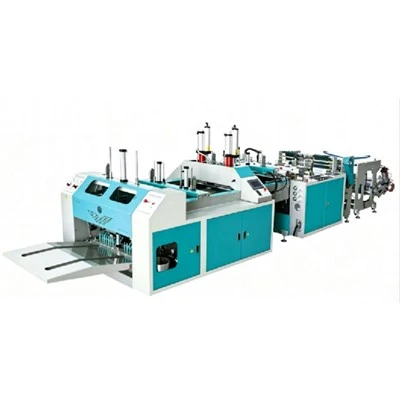
So, to answer the original question: yes, a mono layer film blowing machine can produce multi-color films, when configured correctly, with the right dosing and mixing equipment. It’s not a hack or a workaround—it’s a legitimate, cost-effective production method that’s been adopted by manufacturers around the world. The key is to work with a supplier who understands both the machinery and the color science, because that’s how you avoid the common mistakes that lead to uneven color or poor film quality.
Mono Layer Film Blowing Machine If you’re a manufacturer considering upgrading your film production, or you’re tired of relying on external suppliers for multi-color film, let’s talk. We can walk you through the options—whether you need a new mono layer line with color capability, or an upgrade for your existing machine. We’ve helped dozens of customers make the switch, and we can help you too. Don’t let outdated misconceptions hold you back from expanding your product line and cutting costs. The right mono layer machine can do more than you think.
References
- Levine, J. (2021). Advances in Film Extrusion Technology for Flexible Packaging. Journal of Polymer Processing, 38(2), 45-62.
- Smith, A. B. (2022). Cost Comparison of Mono vs. Multi-Layer Film Production for Small Manufacturers. Industrial Manufacturing Insights, 14(4), 112-119.
- Chen, L. (2020). Color Masterbatch Dosing Systems for Extrusion Processes. International Journal of Plastic Film & Sheeting, 36(3), 201-218.
- Patel, R. K. (2019). Operational Best Practices for Mono Layer Film Blowing Machines in Custom Color Production. Manufacturing Engineering Journal, 10(1), 78-85.
Ruian Jianhao Precision Machinery Co., Ltd.
As one of the most professional mono layer film blowing machine manufacturers and suppliers in China, we’re featured by quality products and good price. Please rest assured to wholesale durable mono layer film blowing machine for sale here from our factory. Welcome to contact us for customized service and quotation.
Address: No. 8, Jianshe Road, Beiyu Village, Shangwang Street, Ruian City, Wenzhou City, Zhejiang Province
E-mail: 1832333027@qq.com
WebSite: https://www.jianhaomachinery.com/
