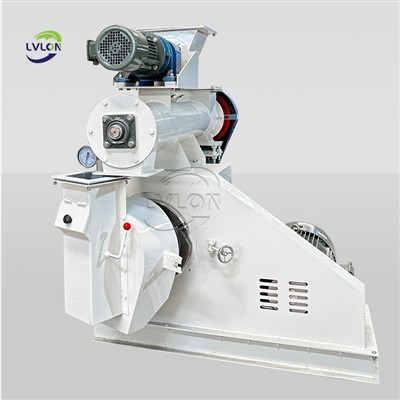
As a reliable feeding equipment supplier, I understand the paramount importance of maintaining the hygiene of the feeding equipment we provide. In this blog, I will share some comprehensive and practical strategies to ensure the hygiene of feeding equipment, which is crucial not only for the health of users but also for the long – term performance and reputation of the equipment. Feeding Equipment
Understanding the Risks of Poor Hygiene in Feeding Equipment
Before delving into the methods of ensuring hygiene, it’s essential to recognize the potential risks associated with unclean feeding equipment. Bacteria, viruses, fungi, and other pathogens can easily accumulate on the surfaces of feeding equipment, especially in areas where food residues are left behind. For example, in baby bottle nipples, milk residues can quickly become a breeding ground for harmful microorganisms. If these contaminated equipment are reused without proper cleaning, it can lead to a variety of health problems, such as gastrointestinal infections, dental caries, and respiratory issues.
Moreover, poor hygiene can also affect the functionality and lifespan of the feeding equipment. Corrosion, blockage, and damage to sensitive components can occur due to the build – up of dirt, grime, and biological matter. This can result in reduced efficiency, malfunction, and ultimately, the need for costly repairs or replacements.
Pre – cleaning Preparation
The first step in ensuring the hygiene of feeding equipment is to conduct a thorough pre – cleaning preparation. This involves disassembling all removable parts of the equipment. For instance, if you are dealing with a complex industrial feeding machine, take apart components like hoppers, chutes, and feeding tubes. This allows for more effective cleaning as it exposes all surfaces that may come into contact with food or feed.
Next, remove any visible debris from the equipment. Use a soft brush or a dry cloth to gently wipe away large particles of food, dust, or dirt. For stubborn debris, a spatula or a similar tool can be used carefully to scrape it off without damaging the equipment’s surface.
Cleaning Methods
Manual Cleaning
Manual cleaning is a fundamental and effective way to ensure the hygiene of feeding equipment, especially for smaller or more delicate items. For baby bottles, feeding spoons, and sippy cups, start by filling a sink or a large container with warm, soapy water. Use a mild, non – toxic dishwashing liquid that is safe for food contact.
Submerge the equipment in the soapy water and use a bottle brush, sponge, or cloth to scrub all surfaces thoroughly. Pay special attention to crevices, corners, and areas where food is likely to get trapped, such as the threads of bottle caps and the inside of nipple holes. Rinse the equipment under running water to remove all traces of soap. Make sure to turn the equipment upside down to allow water to drain completely from all compartments.
Mechanical Cleaning
For larger and more complex feeding equipment, mechanical cleaning methods are often more appropriate. Industrial dishwashers can be used for mass – cleaning of smaller feeding supplies such as trays and utensils. These machines use high – pressure sprays, hot water, and detergents to remove dirt and bacteria effectively.
For large – scale feeding systems in farms or factories, automated cleaning systems can be installed. These systems use a combination of water jets, brushes, and chemical agents to clean the internal and external surfaces of the equipment. The cleaning process can be programmed to follow a specific cycle, ensuring consistent and thorough cleaning.
Chemical Cleaning
Chemical cleaning agents can play a vital role in ensuring the hygiene of feeding equipment. Disinfectants are used to kill bacteria, viruses, and fungi. When choosing a disinfectant, it’s important to select one that is approved for use on food – contact surfaces. Chlorine – based disinfectants, hydrogen peroxide, and quaternary ammonium compounds are commonly used.
Follow the manufacturer’s instructions carefully when using chemical cleaning agents. Dilute the disinfectant to the correct concentration and apply it to the equipment. Allow the disinfectant to sit on the surface for the recommended contact time to ensure effective disinfection. Afterward, rinse the equipment thoroughly to remove all traces of the chemical.
Drying and Storage
Proper drying is essential to prevent the growth of mold and bacteria after cleaning. After rinsing the feeding equipment, shake off any excess water and place it on a clean drying rack. Avoid using towels to dry the equipment as they may transfer bacteria. Allow the equipment to air – dry completely in a well – ventilated area.
When it comes to storage, keep the feeding equipment in a clean, dry, and dust – free environment. Store it in a closed cabinet or a container to protect it from contaminants. For baby feeding equipment, it’s a good idea to use a dedicated storage area to prevent cross – contamination.
Regular Maintenance and Inspection
In addition to regular cleaning, regular maintenance and inspection of feeding equipment are crucial for ensuring hygiene. Check the equipment for signs of wear and tear, such as cracks, chips, or loose parts. Damaged equipment can harbor more bacteria and may not function properly, so it should be repaired or replaced promptly.
Inspect the seals and gaskets of the equipment regularly. These components can deteriorate over time, allowing dirt and moisture to enter the equipment. Replace any worn – out seals or gaskets to maintain a tight and hygienic seal.
Training and Education
As a feeding equipment supplier, I also emphasize the importance of training and education for our customers. Provide detailed instructions on how to clean, maintain, and inspect the feeding equipment. Offer training sessions, either in – person or online, to ensure that users understand the proper procedures.
Educate users about the potential health risks associated with poor hygiene and the importance of following a strict cleaning and maintenance schedule. By empowering our customers with knowledge, we can help them ensure the long – term hygiene and performance of the feeding equipment.
Quality Control in Production
From our end as a supplier, we implement strict quality control measures during the production process. Use high – quality materials that are resistant to corrosion, staining, and bacterial growth. Ensure that the design of the feeding equipment is easy to clean, with smooth surfaces and minimal crevices.
Conduct regular quality inspections of the finished products to ensure that they meet the highest standards of hygiene and safety. By providing high – quality feeding equipment from the start, we can make it easier for our customers to maintain proper hygiene.
Conclusion
Ensuring the hygiene of feeding equipment is a multi – faceted process that requires a combination of proper cleaning, drying, storage, maintenance, and education. As a feeding equipment supplier, we are committed to providing our customers with not only high – quality products but also the knowledge and support they need to keep the equipment hygienic.
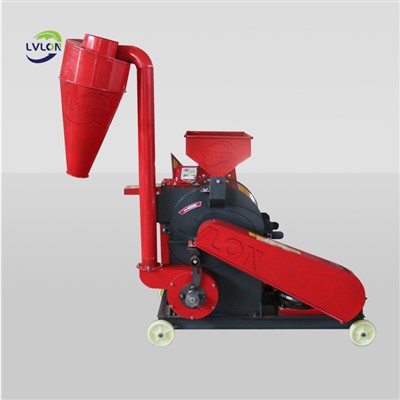
If you are in the market for reliable and hygienic feeding equipment or need more information on how to maintain the hygiene of your existing equipment, I encourage you to reach out to us. We are ready to engage in a productive discussion about your specific needs and help you find the best solutions for your feeding requirements.
Rice Shellers References
- "Food Hygiene and Safety: A Manual for Managers" by Douglas Powell
- "Hygiene in Food Processing" by Peter Fellows
- Relevant industry standards and guidelines issued by food safety authorities
Henan Lvlon Industrial Co., Ltd.
We’re well-known as one of the leading feeding equipment suppliers in China, featured by quality products and good price. Please rest assured to buy high-grade feeding equipment for sale here from our factory. Welcome to view our website for more information.
Address: Unit 5, 5th Floor, Building 11, No. 18 Dongfeng Road, Jinshui District, Zhengzhou City, Henan Province.
E-mail: lvlonxu@gmail.com
WebSite: https://www.lvlonmachinery.com/
