Hey there! As a PVC suction hose supplier, I’ve been getting a lot of questions lately about the difference between a PVC suction hose and a PVC delivery hose. So, I thought I’d write up a blog post to clear things up. PVC Suction Hose
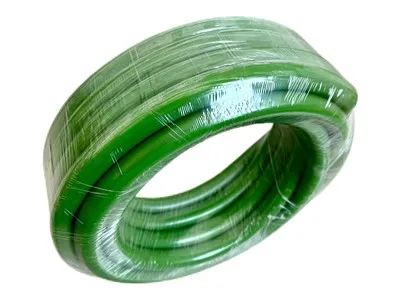
The Basics: What are PVC Suction Hoses and PVC Delivery Hoses?
Let’s start with the basics. PVC, or polyvinyl chloride, is a super common plastic material. It’s flexible, durable, and resistant to a bunch of chemicals, which makes it perfect for making hoses.
A PVC suction hose is designed to suck up liquids or solids from one place to another. Imagine you’re cleaning out a dirty pond. You’d use a suction hose to pull the water and muck out of the pond and into a container. The suction hose has to withstand a vacuum pressure, which means it has to be strong enough not to collapse when you’re sucking stuff through it.
On the other hand, a PVC delivery hose is used to push or deliver liquids or solids from one point to another. For example, if you’re watering your garden, you’d use a delivery hose to carry water from the tap to the plants. The delivery hose operates under positive pressure, so it needs to be able to handle the force of the liquid or solid being pushed through it without bursting.
Construction and Design Differences
One of the biggest differences between the two types of hoses is their construction. PVC suction hoses usually have a rigid helix inside them. This helix is like a metal or plastic coil that runs along the length of the hose. It gives the hose its strength and helps it resist collapsing under vacuum pressure. The helix is often made of a material like steel or hard plastic, and it’s embedded in the PVC material of the hose.
In contrast, PVC delivery hoses don’t need this kind of reinforcement. They’re typically made of a single layer or multiple layers of PVC material. The layers are usually bonded together to make the hose stronger and more resistant to leaks. Some delivery hoses might have an outer layer that’s designed to be more resistant to abrasion or UV damage, especially if they’re going to be used outdoors.
Another difference in design is the end fittings. PVC suction hoses often have fittings that are designed to create a tight seal. This is important because if there’s a leak in the seal, the hose won’t be able to create a strong enough vacuum to suck up the liquid or solid. The fittings might be threaded or have a locking mechanism to ensure a secure connection.
PVC delivery hoses, on the other hand, usually have fittings that are designed to make it easy to connect and disconnect the hose from other equipment. For example, they might have quick-connect fittings that allow you to attach the hose to a tap or a pump in just a few seconds.
Performance Characteristics
When it comes to performance, PVC suction hoses and PVC delivery hoses have some distinct differences.
As I mentioned earlier, suction hoses are designed to work under vacuum pressure. This means they need to be able to withstand a negative pressure without collapsing. Most PVC suction hoses can handle a certain amount of vacuum, and the limit is usually specified by the manufacturer. If you try to use a suction hose with a vacuum that’s too strong, the hose might collapse, and you won’t be able to suck up the liquid or solid.
Delivery hoses, on the other hand, are designed to work under positive pressure. They need to be able to handle the force of the liquid or solid being pushed through them without bursting. The pressure rating of a delivery hose is also specified by the manufacturer, and it’s important to choose a hose that can handle the pressure of your application. If you use a delivery hose with a pressure that’s too high, the hose might burst, which can be dangerous and cause a mess.
Another performance difference is the flow rate. Suction hoses usually have a lower flow rate than delivery hoses. This is because the suction process creates a resistance, which slows down the flow of the liquid or solid. Delivery hoses, on the other hand, can usually handle a higher flow rate because they’re pushing the liquid or solid through the hose.
Applications
The different performance characteristics of PVC suction hoses and PVC delivery hoses mean they’re used in different applications.
PVC suction hoses are commonly used in applications where you need to suck up liquids or solids. Some common applications include:
- Pool cleaning: You can use a suction hose to clean the bottom of your pool by sucking up dirt, leaves, and other debris.
- Industrial applications: In factories, suction hoses are used to suck up chemicals, waste, or other materials.
- Drainage: If you have a flooded area, you can use a suction hose to drain the water.
PVC delivery hoses are used in applications where you need to deliver liquids or solids. Some common applications include:
- Watering: As I mentioned earlier, delivery hoses are used to water gardens, lawns, and fields.
- Chemical transfer: In industrial settings, delivery hoses are used to transfer chemicals from one container to another.
- Food and beverage industry: Delivery hoses are used to transfer liquids like milk, juice, and beer.
Choosing the Right Hose for Your Needs
So, how do you choose between a PVC suction hose and a PVC delivery hose? Well, it all depends on your application.
If you need to suck up liquids or solids, you’ll need a PVC suction hose. Make sure you choose a hose that has the right size, length, and vacuum rating for your needs. You should also consider the type of helix and end fittings.
If you need to deliver liquids or solids, you’ll need a PVC delivery hose. Again, make sure you choose a hose that has the right size, length, and pressure rating for your application. You might also want to consider the outer layer of the hose if you’re going to be using it outdoors.
If you’re not sure which type of hose is right for you, don’t worry! That’s what I’m here for. As a PVC suction hose supplier, I have a lot of experience and can help you choose the best hose for your needs. Just reach out to me, and we can have a chat about your application.
Conclusion

In conclusion, there are some significant differences between PVC suction hoses and PVC delivery hoses. The construction, design, performance characteristics, and applications of the two types of hoses are all different. Understanding these differences is important if you want to choose the right hose for your needs.
High Pressure Hose If you’re in the market for a PVC suction hose or have questions about which type of hose is best for your application, don’t hesitate to get in touch. I’m always happy to help and can provide you with the best solutions for your requirements. Let’s have a chat and see how I can assist you in getting the right hose for the job.
References
- Durango, J. (2018). PVC Hose Handbook: A Guide to Selection, Installation, and Maintenance. Industrial Publishing.
- Smith, R. (2020). Understanding Hose Performance: Pressure, Flow, and More. Fluid Dynamics Journal.
- Thompson, A. (2019). PVC Materials and Their Applications in Hose Manufacturing. Plastics Technology Review.
Weifang Xinzhiyuan Plastic Co., Ltd.
As one of the most experienced pvc suction hose manufacturers and suppliers in China, we offer a wide range of products with superior quality. Please feel free to wholesale premium pvc suction hose made in China here from our factory. We also accept customized orders.
Address: No. 700, Tongle Street, Economic Development Zone, Changle County, Weifang City, Shandong Province
E-mail: hua@xzypvchose.com
WebSite: https://www.pvchose-xzy.com/
