Hey there! I’m a supplier of fire ventilators, and I’ve been getting a lot of questions recently about what anti – corrosion measures are needed for fire ventilators in coastal areas. So, I thought I’d write this blog to share my insights and experiences on this topic. Fire Ventilator
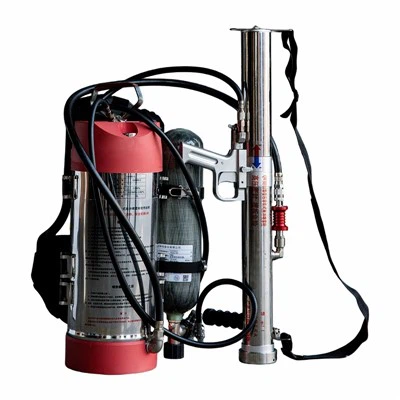
First off, let’s talk about why anti – corrosion measures are so important for fire ventilators in coastal areas. Coastal areas have a unique environment. The air there is usually filled with salt particles from the sea. These salt particles can be quite corrosive. When they come into contact with the metal parts of a fire ventilator, they can cause rusting over time. Rust not only makes the ventilator look bad but also weakens its structure. A corroded fire ventilator may not work properly when it’s needed most, like during a fire emergency.
Now, let’s dive into the different anti – corrosion measures we can take for fire ventilators in coastal areas.
Material Selection
When it comes to making fire ventilators for coastal areas, the choice of materials is crucial. One of the best materials we can use is stainless steel. Stainless steel has a high resistance to corrosion because it contains chromium. When exposed to oxygen, a thin layer of chromium oxide forms on the surface of the stainless steel. This layer acts as a barrier, preventing the underlying metal from coming into contact with corrosive substances like salt.
Another option is aluminum. Aluminum is lightweight and has good corrosion resistance. It forms a natural oxide layer on its surface when exposed to air, which also helps protect it from corrosion. However, we need to be careful when using aluminum in combination with other metals. Galvanic corrosion can occur when two different metals are in contact in the presence of an electrolyte, like saltwater. So, if we use aluminum in our fire ventilators, we need to make sure to isolate it from other metals or use appropriate insulating materials.
Surface Treatments
Surface treatments are another effective way to protect fire ventilators from corrosion. One common surface treatment is painting. We can apply a high – quality anti – corrosion paint to the surface of the ventilator. The paint acts as a physical barrier between the metal and the corrosive environment. It’s important to choose a paint that is specifically designed for coastal environments. These paints are usually more resistant to saltwater and UV rays.
Powder coating is also a great option. In powder coating, a dry powder is electrostatically applied to the surface of the ventilator and then cured in an oven. This creates a tough, durable coating that provides excellent protection against corrosion. Powder coating is also more environmentally friendly than traditional painting methods because it doesn’t use solvents.
Anodizing is a treatment specifically for aluminum. It thickens the natural oxide layer on the surface of the aluminum, making it more resistant to corrosion. Anodized aluminum also has a better appearance and can be dyed in different colors.
Design Considerations
The design of the fire ventilator can also play a role in its corrosion resistance. For example, we should try to minimize areas where water can collect. Water that stays on the surface of the ventilator for a long time can accelerate corrosion. We can design the ventilator with sloped surfaces or drainage holes to allow water to run off easily.
Sealing is another important aspect of the design. We need to make sure that all the joints and connections in the ventilator are well – sealed. This prevents saltwater and moisture from getting inside the ventilator and corroding the internal components. We can use gaskets, O – rings, or sealants to achieve a good seal.
Maintenance
Even with the best materials, surface treatments, and design, regular maintenance is still essential to ensure the long – term corrosion resistance of fire ventilators in coastal areas. We should inspect the ventilators regularly for signs of corrosion, such as rust spots or paint damage. If we find any signs of corrosion, we need to take action immediately.
For light corrosion, we can clean the affected area with a mild detergent and water. Then, we can apply a touch – up paint or a corrosion inhibitor to prevent further corrosion. For more severe corrosion, we may need to replace the corroded parts.
We also need to keep the ventilators clean. Dirt and debris can trap moisture and accelerate corrosion. We can use compressed air or a soft brush to clean the ventilators regularly.
Long – term Benefits of Anti – Corrosion Measures
Investing in anti – corrosion measures for fire ventilators in coastal areas has many long – term benefits. First of all, it ensures the reliability of the fire ventilators. In a fire emergency, we can’t afford to have a ventilator fail because of corrosion. By taking the right anti – corrosion measures, we can make sure that the ventilators will work properly when they are needed.
Secondly, anti – corrosion measures can extend the lifespan of the fire ventilators. A well – protected ventilator will last longer, which means less frequent replacements. This can save a lot of money in the long run.

Finally, it can improve the overall safety of the building or facility. A properly functioning fire ventilator can help remove smoke and toxic gases during a fire, which can reduce the risk of injury and death.
Fire Service Bamboo Ladder If you’re in the market for fire ventilators for a coastal area, I’d love to have a chat with you. I’ve got a lot of experience in this field and can help you choose the right fire ventilator with the best anti – corrosion measures for your needs. Just reach out, and let’s start the discussion.
References
- "Corrosion in Coastal Environments: Causes and Prevention" – A technical report on corrosion in coastal regions
- "Materials Selection for Marine and Coastal Applications" – A guidebook on choosing suitable materials for coastal equipment
- "Surface Treatments for Corrosion Protection" – A research paper on different surface treatment methods for metal corrosion prevention
Taizhou Mingxin Fire Protection Technology Co., Ltd.
As one of the most professional fire ventilator manufacturers in China, we warmly welcome you to buy bulk high quality fire ventilator made in China here from our factory. Good service and low price are available.
Address: Group 3, Xinzhouqiao Community, Jingtai Road Subdistrict, Hailing District, Taizhou City (within Taizhou Station North Logistics Management Co., Ltd.)
E-mail: mingxinxf@163.com
WebSite: https://www.mxfiretech.com/
