Elevators are an integral part of modern buildings, facilitating vertical movement with ease and efficiency. At the heart of elevator safety lies the elevator safety gear, a critical component designed to prevent free-fall and ensure the well-being of passengers. As a trusted elevator safety gear supplier, we understand the paramount importance of maintaining these safety mechanisms to guarantee the reliable and secure operation of elevators. In this blog, we will delve into the essential steps and best practices for maintaining elevator safety gear. Elevator Safety Gear

Understanding the Function of Elevator Safety Gear
Before we explore maintenance procedures, it’s crucial to understand the function of elevator safety gear. The safety gear is a device installed in the elevator car to stop the car in case of an overspeed or free – fall situation. It typically consists of a governor, which monitors the speed of the elevator, and the safety gear itself, which engages with the guide rails to halt the car’s movement. When the governor detects an abnormal speed, it triggers the safety gear, clamping onto the guide rails and bringing the elevator to a controlled stop.
Regular Inspections
Regular inspections are the cornerstone of elevator safety gear maintenance. By conducting thorough inspections, potential issues can be identified and addressed before they escalate into serious problems.
Visual Inspections
Visual inspections should be carried out frequently, preferably on a monthly basis. During a visual inspection, check the safety gear for any signs of physical damage, such as cracks, wear, or corrosion. Inspect the mounting bolts and connections to ensure they are tight and secure. Look for any loose or missing parts, as well as signs of excessive dirt or debris accumulation.
Functional Tests
Functional tests are equally important and should be performed at least quarterly. These tests are designed to verify that the safety gear operates correctly under simulated emergency conditions. The governor should be tested to ensure it accurately detects overspeed and triggers the safety gear at the appropriate speed. The safety gear itself should be engaged and disengaged to confirm smooth operation. It’s essential to follow the manufacturer’s guidelines and use the proper testing equipment during these procedures.
Lubrication
Proper lubrication is vital for the smooth functioning of elevator safety gear. Lubricants reduce friction between moving parts, prevent wear, and extend the lifespan of the components.
Selecting the Right Lubricant
When choosing a lubricant for elevator safety gear, it’s essential to select a product specifically designed for this application. The lubricant should have excellent anti – wear and anti – corrosion properties and be able to withstand the high temperatures and pressures generated during operation. Consult the manufacturer’s recommendations to ensure you are using the correct lubricant.
Lubrication Schedule
The frequency of lubrication depends on various factors, such as the type of elevator, operating conditions, and the manufacturer’s specifications. In general, lubrication should be carried out at least once a year. However, in high – traffic elevators or those operating in harsh environments, more frequent lubrication may be required.
Cleaning
Cleaning the elevator safety gear is an often – overlooked but crucial maintenance step. Dirt, dust, and debris can accumulate on the safety gear components over time, affecting their performance and potentially leading to malfunctions.
Cleaning Procedures
Use a soft brush or compressed air to remove loose dirt and debris from the safety gear. For more stubborn dirt, a mild cleaning solution can be used, followed by a thorough rinse with clean water. Avoid using abrasive cleaners or tools that could damage the components. After cleaning, ensure the safety gear is completely dry before reassembling and putting it back into operation.
Training and Certification
Proper maintenance of elevator safety gear requires skilled and knowledgeable personnel. It’s essential to ensure that maintenance technicians are trained and certified to work on elevator safety systems.
Manufacturer – Provided Training
Many elevator safety gear manufacturers offer training programs for maintenance technicians. These programs cover the installation, operation, and maintenance of their products. By participating in these training programs, technicians can gain in – depth knowledge of the safety gear and learn the latest maintenance techniques.
Industry Certifications
In addition to manufacturer – provided training, technicians should obtain relevant industry certifications. Certifications such as the National Association of Elevator Contractors (NAEC) certifications demonstrate a technician’s competence and adherence to industry standards.
Record – Keeping
Maintaining detailed records of elevator safety gear maintenance is essential for several reasons. Records provide a history of maintenance activities, which can be used to track the performance of the safety gear over time. They also help ensure compliance with regulatory requirements and can be valuable in the event of an accident or inspection.
What to Record
Record the date of each inspection, test, lubrication, and cleaning. Include details such as the results of functional tests, any maintenance or repair work performed, and the replacement of parts. Keep copies of all maintenance reports, invoices, and training certificates.
Upgrades and Replacements
As technology advances and elevator safety standards evolve, it may be necessary to upgrade or replace the elevator safety gear. Old or outdated safety gear may not meet current safety requirements or may be prone to failures.
Evaluating the Need for Upgrades
Regularly evaluate the condition and performance of the elevator safety gear. Consider factors such as the age of the equipment, the frequency of maintenance and repairs, and any changes in safety regulations. If the safety gear is showing signs of significant wear or is no longer compliant with safety standards, an upgrade or replacement may be necessary.
Choosing the Right Replacement
When replacing elevator safety gear, it’s important to choose a high – quality product that meets or exceeds the original equipment specifications. Work with a reputable supplier who can provide technical support and ensure proper installation.
Collaboration with Other Stakeholders
Maintaining elevator safety gear is not a one – person task. It requires collaboration between elevator maintenance technicians, building owners, and regulatory authorities.
Communication with Building Owners
Building owners play a crucial role in elevator safety. They are responsible for ensuring that elevators are properly maintained and that safety regulations are followed. Regular communication with building owners can help ensure that maintenance schedules are adhered to and that any issues are addressed promptly.
Compliance with Regulatory Authorities
Elevator safety is subject to strict regulations. Regulatory authorities set standards for elevator design, installation, and maintenance. It’s essential to stay informed about these regulations and ensure that all maintenance activities are in compliance.
As a leading elevator safety gear supplier, we are committed to providing high – quality products and comprehensive support to ensure the safety and reliability of your elevators. Our team of experts can assist you in developing a customized maintenance plan tailored to your specific needs. We offer a wide range of elevator safety gear that meets the highest industry standards.
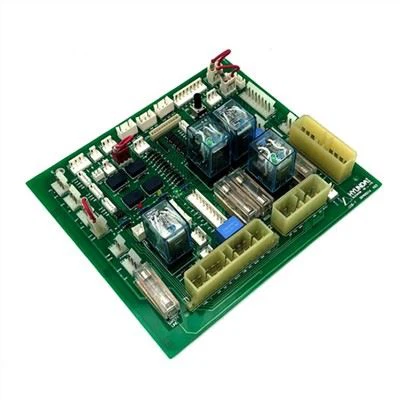
If you are looking for a reliable partner for your elevator safety gear needs, we encourage you to reach out to us. Our dedicated sales team is ready to discuss your requirements and provide you with the best solutions. Contact us today to start a conversation about procurement and how we can help you achieve optimal elevator safety.
STEP Elevator Pcb References
- "Elevator Maintenance Handbook" by the National Association of Elevator Contractors (NAEC)
- Manufacturer’s manuals for various elevator safety gear products
- International Organization for Standardization (ISO) standards related to elevator safety
Sanjin Elevator Parts Co., Ltd.
Sanjin Elevator Parts Co., Ltd. is one of the most professional elevator safety gear manufacturers and suppliers in China, featured by quality products and good service. Please rest assured to buy or wholesale high-grade elevator safety gear at competitive price from our factory.
Address: 18th Floor, Xinyuan Center, Fenghe Road, Xi’an, Shaanxi, China
E-mail: elevatorparts@westdt.com
WebSite: https://www.sanjinelevator.com/
